The Complete Tennis Bracelet Guide: 7 Styles That Actually Turn Heads
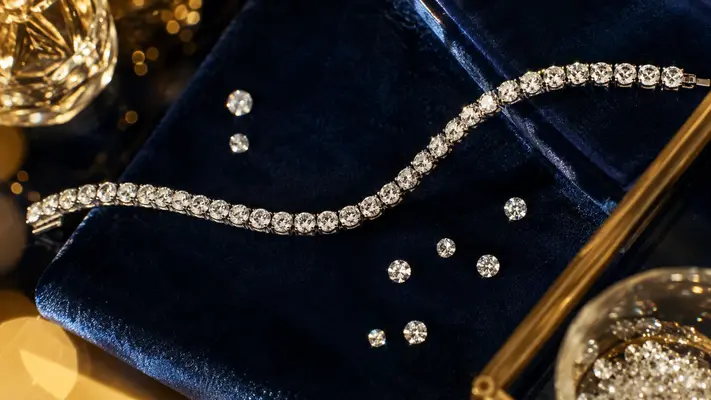
You’ve probably spotted one glittering on a celebrity’s wrist and wondered how a simple line of stones can cost anywhere from $50 to $25,000. The tennis bracelet isn’t just another piece of jewelry — it’s a cultural icon that survived a dramatic on-court accident to become the most recognized silhouette in fine jewelry.
In this guide, you’ll discover exactly what separates a breathtaking tennis bracelet from a disappointing purchase you’ll regret. We’ll break down every major style, material, and price point so you never overpay or settle for less than you deserve.
What Is a Tennis Bracelet?
A tennis bracelet is a flexible, symmetrical bracelet featuring a continuous line of individually set gemstones — most commonly diamonds — linked together in a delicate chain. The stones are uniform in size, cut, and color, creating an unbroken ribbon of sparkle that wraps elegantly around the wrist.
The name actually comes from a 1987 US Open incident that no one saw coming. Professional tennis player Chris Evert’s diamond bracelet snapped mid-match, causing an official delay while she searched for the scattered stones across the court. Reporters immediately dubbed it her “tennis bracelet,” and the name stuck permanently.
Before that unforgettable moment, jewelers simply called this style an “eternity bracelet.” The spontaneous rebrand turned a niche accessory into a household term almost overnight and transformed the entire fine jewelry market.
Diamond Tennis Bracelet vs. Lab Grown Diamond Tennis Bracelet
Choosing between a natural diamond tennis bracelet and a lab grown diamond tennis bracelet is the single biggest decision you’ll face. Both look absolutely identical to the naked eye, yet the price difference between them can be genuinely staggering.
A natural diamond tennis bracelet featuring 5 carats of round brilliant stones typically runs between $8,000 and $15,000 depending on clarity and color. The exact same specifications in a lab grown diamond tennis bracelet? You’re looking at roughly $2,000 to $4,500.
That represents a 60-70% savings for a stone that shares the exact same chemical composition, hardness rating, and optical fire as a mined diamond. The only real difference is where the stone was formed.
Natural Diamond Tennis Bracelet
Natural diamonds carry a prestige factor and emotional weight that some buyers simply won’t compromise on. If long-term resale value and traditional luxury symbolism matter to you, a mined diamond tennis bracelet remains the undisputed gold standard.
Look for stones graded G-H color and SI1-SI2 clarity at minimum. Anything lower will show visible inclusions in the continuous line setting, which magnifies imperfections far more than a solitaire ring would.
Lab Diamond Tennis Bracelet & Moissanite Tennis Bracelet
A lab grown tennis bracelet gives you visibly bigger stones for your budget without sacrificing an ounce of brilliance. Reputable brands like Brilliant Earth and VRAI now offer certified lab diamond tennis bracelet options complete with full IGI grading reports.
If you want to stretch your budget even further, a moissanite tennis bracelet delivers jaw-dropping fire at a fraction of the cost. Moissanite actually has a higher refractive index than diamond, meaning it throws more rainbow-colored light in direct sunlight.
Top Tennis Bracelet Styles for Women and Men
The classic women’s tennis bracelet features round brilliant diamonds in a four-prong setting on a white gold or platinum chain. But the category has exploded far beyond that single timeless look over the past decade.
Men’s tennis bracelet designs have surged in popularity over the last three years, driven largely by hip-hop culture and red-carpet styling. These versions typically use thicker links, larger stones, and heavier metal weights to create a bolder, more masculine silhouette.
Gold Tennis Bracelet, Emerald Tennis Bracelet & Sapphire Tennis Bracelet
A gold tennis bracelet in 14k or 18k yellow gold creates a warm, vintage-inspired look that pairs beautifully with warmer skin tones. Rose gold versions have also gained massive traction among younger buyers looking for something less traditional.
For color lovers, an emerald tennis bracelet or sapphire tennis bracelet adds a dramatic pop that commands attention in any room. These colored gemstone versions often alternate with small diamond accents for extra contrast and visual depth.
The Cartier tennis bracelet deserves a special mention here. While Cartier doesn’t technically market any piece under the “tennis bracelet” label, their Diamants Légers line delivers the same continuous-stone aesthetic with the brand’s legendary Parisian craftsmanship.
Budget-Friendly Options: Pandora, Swarovski & BaubleBar
Not everyone wants to spend thousands on a bracelet they plan to wear casually to brunch or the office. The great news is that affordable tennis bracelet options have improved dramatically in quality and durability over the past few years.
A Pandora tennis bracelet gives you the brand’s recognizable aesthetic at a comfortable mid-range price point. Most Pandora versions use cubic zirconia set in sterling silver, landing between $75 and $150 depending on the collection.
The Swarovski tennis bracelet offers precision-cut crystals that rival the sparkle of genuine stones at a fraction of the cost. Swarovski’s proprietary cutting technique creates exceptional light performance at under $200 for most of their popular styles.
BaubleBar Bennett Cubic Zirconia Tennis Bracelet
The BaubleBar Bennett cubic zirconia tennis bracelet has become a viral sensation on TikTok and Instagram for very good reason. Priced around $48, it delivers a shockingly convincing diamond look that photographs beautifully in natural light.
Fashion influencers frequently stack the BaubleBar Bennett with higher-end pieces, proving you absolutely don’t need a luxury budget to pull off the tennis bracelet look. It’s an ideal entry point if you’re testing the style before committing to fine jewelry.
Tennis Bracelet Comparison at a Glance
| Style | Material | Price Range | Best For |
|---|---|---|---|
| Natural Diamond | Mined diamonds, 14k-18k gold | $5,000 – $20,000+ | Investment & heirloom pieces |
| Lab Grown Diamond | Lab diamonds, platinum/gold | $1,500 – $5,000 | Luxury look on a real budget |
| Moissanite | Moissanite, white gold | $400 – $1,200 | Maximum sparkle per dollar |
| Cartier-Inspired | Diamonds, platinum | $8,000 – $25,000 | Brand prestige & collectors |
| Pandora | CZ, sterling silver | $75 – $150 | Everyday casual wear |
| Swarovski | Crystal, rhodium plating | $100 – $250 | Gift-giving & special events |
| BaubleBar Bennett | CZ, gold-plated brass | $38 – $58 | Trendy stacking & layering |
The data makes one thing painfully obvious: you can achieve the tennis bracelet look at virtually any price point imaginable. The real key is matching the material to how often and where you actually plan to wear it.
How to Choose the Right Tennis Bracelet for Your Lifestyle
Start by honestly deciding how often you’ll wear it. A daily-wear tennis bracelet needs a rock-solid clasp — preferably a box clasp with a double safety latch. Flimsy clasps are the number one reason these bracelets break and lose expensive stones.
Next, consider carat weight versus stone count carefully. A 3-carat tennis bracelet with 40 small stones will look more delicate and understated than a 5-carat version with 30 larger stones. Neither option is objectively better — it depends entirely on your wrist size and personal style preference.
Finally, think about metal color and how it matches your existing collection. White gold and platinum keep the focus squarely on the stones. Yellow gold adds warmth and vintage character. Rose gold creates a modern, romantic feel that photographs exceptionally well on social media.
Frequently Asked Questions
What is a tennis bracelet and why is it called that?
A tennis bracelet is a flexible chain of uniformly set gemstones, typically diamonds, worn snugly around the wrist. It earned its famous name from Chris Evert’s 1987 US Open incident when her diamond bracelet broke during a live match and play was paused to recover the scattered stones.
How much should I spend on a diamond tennis bracelet?
A quality natural diamond tennis bracelet starts around $3,000 for smaller stones and climbs to $15,000 or more for premium cuts and higher carat weights. If budget is a real concern, a lab grown diamond tennis bracelet delivers the identical look for 60-70% less money.
Is a moissanite tennis bracelet worth buying?
Absolutely yes. Moissanite is nearly as hard as diamond at 9.25 versus 10 on the Mohs scale and actually sparkles more intensely due to its higher refractive index. A moissanite tennis bracelet is a smart, practical choice if you want maximum brilliance without the diamond price tag.
Can men wear a tennis bracelet?
Yes, and the trend is growing faster than most people realize. A men’s tennis bracelet typically features wider links, heavier metal construction, and slightly larger stones. Black diamond and sapphire versions are especially popular in men’s designs right now.
How do I clean and maintain my tennis bracelet?
Soak it in warm water with mild dish soap for about 15 minutes, then gently brush between the stones with a soft toothbrush. Rinse thoroughly and pat dry with a lint-free cloth. Avoid ultrasonic cleaners if your bracelet contains emeralds or other fracture-prone gemstones.
What is the difference between a tennis bracelet and a line bracelet?
They are essentially the exact same piece of jewelry. “Line bracelet” is the older industry term, while “tennis bracelet” became the popular consumer name after the Chris Evert incident. Most jewelers use both terms interchangeably today.
Does a lab grown tennis bracelet hold resale value?
Lab grown stones currently carry lower resale value than natural diamonds in the secondary market. If long-term investment is your top priority, stick with mined stones. If you care more about everyday beauty and wearability, lab grown is the smarter financial buy.
The Final Word on Finding Your Perfect Tennis Bracelet
The tennis bracelet has earned its permanent spot as one of the most versatile and timeless pieces in any jewelry collection. Whether you invest in a natural diamond tennis bracelet for a milestone celebration or grab a BaubleBar Bennett for weekend stacking, the style works in every context.
My honest advice after covering this space for years? Don’t overthink the carat weight. A well-set 2-carat tennis bracelet will outshine a poorly set 5-carat version every single time you walk into a room. Focus on cut quality, clasp security, and a metal color that complements your existing jewelry rotation.
Your wrist deserves something that makes you genuinely smile every time you glance down at it. Now you have the knowledge to find exactly that piece — without paying a single dollar more than you need to.
You May Also Like

New York Yankees vs Los Angeles Angels Match Player Stats: Judge’s Blast and Cole’s Command Fuel 7-4 Win
The New York Yankees vs Los Angeles Angels Match Player Stats entered the weekend searching for answers after...
Read Story
The Ultimate 2026 NCAA Football Schedule: Master Guide to Every Kickoff and Playoff Matchup
The wait is finally over, and the gridiron buzz is louder than ever. NCAA Football If you are...
Read Story
Detroit Tigers vs Red Sox Match Player Stats Reveal Dominant Pitching in Fenway Shutout
The box score often lies, but in the case of this Detroit Tigers vs Red Sox Match Player...
Read Story